
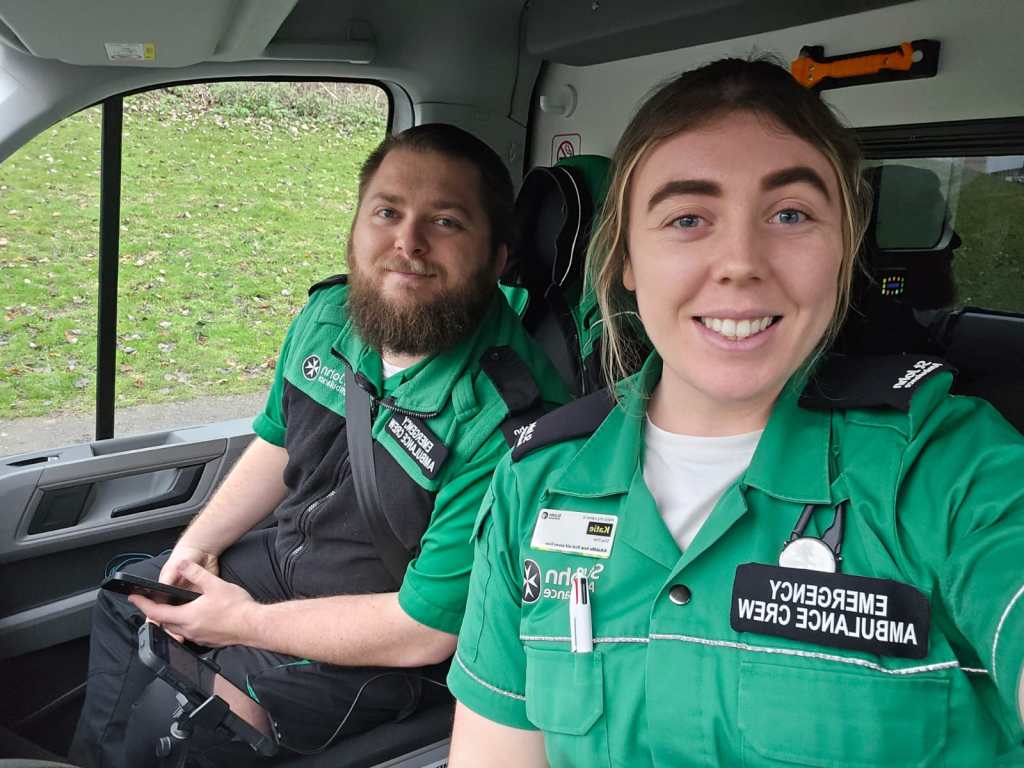
A few weeks ago, TD SYNNEX did something I didn’t expect. They recognised me publicly for 2,200 hours of volunteering with St John Ambulance. They named me their top global volunteer.
It’s a strange feeling. Pride, yes. But also humility. Because that number, big as it is, barely scratches the surface of what it represents.
These hours weren’t planned out in advance. They happened across years of late nights, long events, emergency calls, cancelled plans, and quiet acts of care that never made a headline. It is the work that happens when no one is watching. And that is exactly why it matters.
Leadership Doesn’t Start in the Office
I’ve written before about how volunteering has shaped how I lead. This recognition just made that link even clearer. In the field, you learn to make decisions under pressure, hold your nerve when others look to you, and manage risk with compassion. No one volunteers for prestige. They do it because they care. And that kind of environment reveals your leadership instincts fast.
There is no job title. No hierarchy. Just people and purpose. You lead by influence, not instruction. You rely on trust, not rank. And you learn that good leadership is not about being in charge. It is about being dependable, especially when it is hard.
What 2,200 Hours Actually Look Like
I couldn’t count the number of patients seen or shifts covered. I wouldn’t try. But I can tell you what stands out.
The team member who needed support after a tough call. The first-time volunteer who grew in confidence overnight. The quiet satisfaction of knowing someone got help when they needed it most. These are the real outcomes. And they matter more to me than any milestone or certificate.
Each hour was a choice. A choice to show up. A choice to give time. A choice to lead with care, not just competence. And when you add them all up, what you really see is a portrait of commitment — not just mine, but of every person I served alongside.
Why Employer Recognition of Volunteering Matters
The fact that TD SYNNEX chose to spotlight this story meant a lot. It signalled that they value leadership beyond the quarterly target. That they see service as part of who someone is, not something separate from the day job. It is easy to talk about purpose in corporate settings. It is harder to back it up. But they did.
This is more than feel-good CSR. When an employer backs its people’s volunteering, both publicly and practically, it sends a signal to others in the business. It invites more people to step forward. It amplifies the community impact. And it roots organisational culture in values, not just slogans.
We often hear that people want to work for purpose-driven organisations. But that only works if purpose is more than a mission statement. It has to be something you can feel. Something that shapes your policies, your language, your recognition, and your leadership expectations.
CSR shouldn’t sit in a silo. It should sit in the heart of people strategy. Because when people are encouraged to lead beyond their desks, they often lead more powerfully at work too. They build confidence. They practise judgement. They develop empathy. And they come back into the business not depleted, but expanded.
A Reflection on Leadership and Service
Volunteering hasn’t been a side project. It has been a core part of how I understand leadership. It has made me more resilient, more thoughtful, and more values-driven. I’ve learned how to step up, how to step back, and how to carry people with me without ever pulling rank.
It has also made me clearer on what matters. Not every outcome is measurable. Not every contribution comes with metrics. But there is meaning in consistency. In presence. In being there when someone needs you most.
Leadership and service aren’t opposites. They are deeply connected. One strengthens the other. One demands the other. And when you nurture both in your people, you get a culture that does not just perform, but endures.
So yes, 2,200 hours is a big number. But to me, it is just a marker of time well spent. A reflection of the many people who shaped those hours. And a reminder that the most important leadership lessons often happen far from the boardroom.
For employers wondering whether it is worth building a culture that supports volunteering, it is. The return might not show up on a balance sheet. But it shows up in loyalty, in leadership, and in impact that lasts long after the workday ends.
 InterThread
Leave a comment