
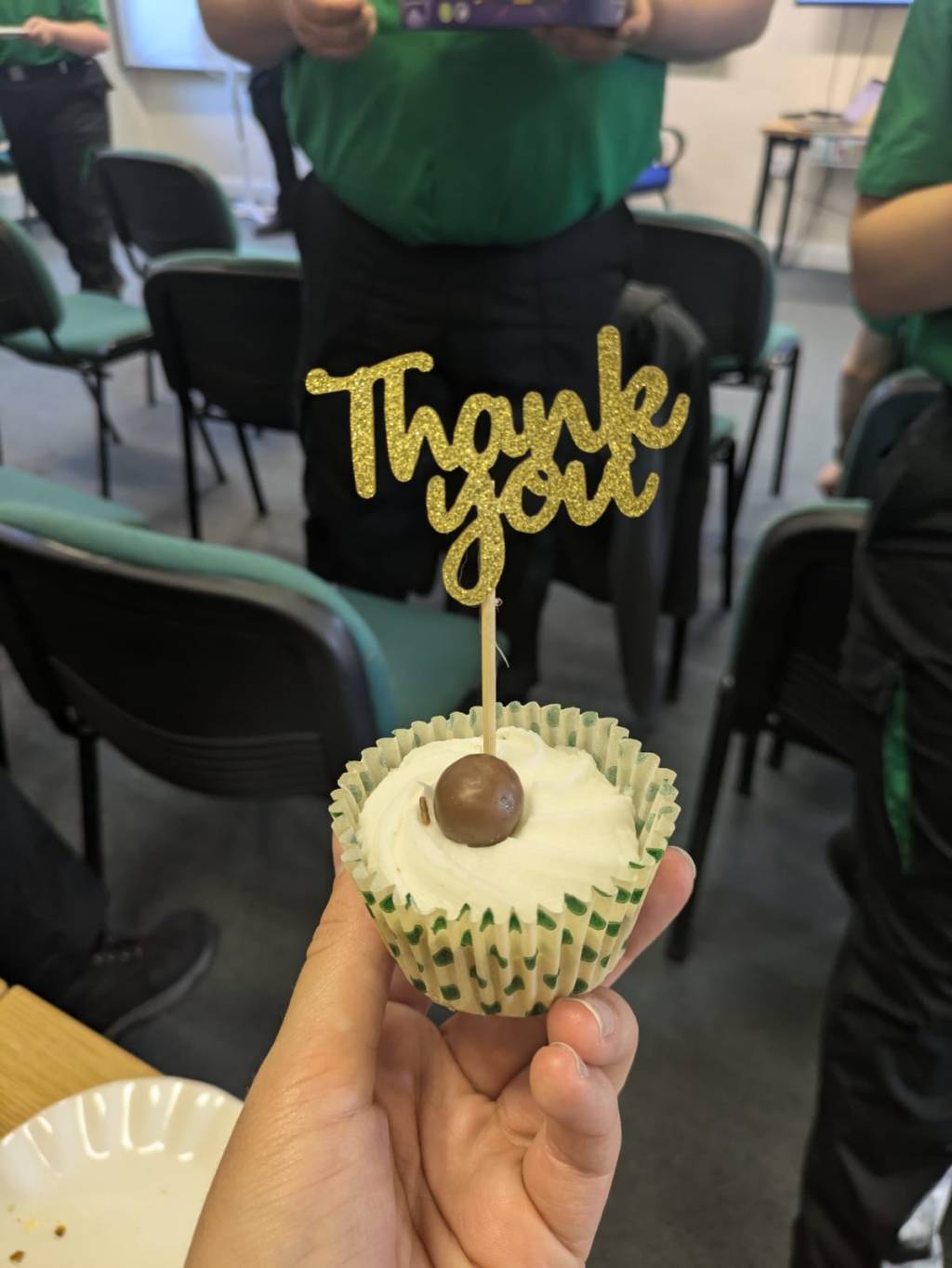
“You can feel the impact of volunteers everywhere, if you know where to look.”
Not in the headlines. Not always in photos.
But in the quiet things.
The lift someone didn’t have to offer.
The task covered at the last minute.
The room opened early and closed late, without fuss.
Volunteering isn’t always loud. Most of the time, it’s invisible. And that’s exactly what makes it so powerful.
What Volunteering Really Looks Like
Volunteers give millions of hours every year across the UK. But what they actually do? That often goes unseen.
In St John, it’s the logistics and training teams. The people making events happen in the background, solving problems before anyone else even notices.
In Scouts, it’s the leaders who turn up week after week, delivering adventurous programmes, guiding young people, shaping values. Many parents assume they’re paid. They’re not.
It’s the food bank volunteer quietly sorting deliveries.
The volunteer coach running the football session with borrowed cones and their own Saturday mornings.
The person who takes on the jobs no one else wants… because they care.
“Volunteering isn’t always glamorous. Sometimes it’s just being the person who shows up. That’s where the magic is.”
And it’s not just about helping others. Volunteering improves wellbeing, builds skills, and deepens social ties. It supports the volunteer just as much as the community they serve.
Why Stories Matter
During Volunteers’ Week, I travelled across the South East to meet and hear from people who give their time through St John. Their stories weren’t dramatic but they were deeply human. And that’s what makes them matter.
When we tell these stories, we remind people that volunteering is real. It’s achievable. It’s something they could be part of.
And for those already involved, stories can be fuel. They reconnect people to the reason they started. They make effort feel seen.
Too often, we only celebrate volunteering when it’s large-scale or visible. But the everyday is just as extraordinary.
“If you’ve ever heard someone say, ‘Oh, I just help out a bit’, that’s a story worth telling.”
Recognition Is Culture Work
In the voluntary sector, most of our people aren’t paid. They do what they do for love, for impact, for community. And that makes recognition more than a nicety, it makes it essential.
Culture doesn’t just come from training or slogans.
It comes from what we notice. What we celebrate.
And what we ignore.
When volunteers feel overlooked, they drift. When they’re valued, they grow.
“Recognition is how we say: what you do matters; even when it’s invisible.”
Leaders should regularly pause and ask:
- Who’s keeping things going that I haven’t thanked?
- Who’s doing quiet work that enables everything else?
That kind of noticing is leadership.
To Those Who Are Tired
If you’re reading this and feeling worn down, pause.
Speak to someone you trust. Breathe. Step back and remember your ‘why’. Because volunteering can be joyful and fulfilling, but it can also stretch you. Especially when no one sees how much you’re holding.
So here’s the message, if no one else has said it lately:
We see you. We value you. We need you to be well.
Final Thought
Volunteers’ Week may have passed, but the impact hasn’t.
The rooms still need opening.
The radios still need charging.
The meals still need delivering.
And the community still needs you.
So let’s keep recognising the people we don’t always see.
Let’s celebrate the quiet contributions that hold so much together.
Because that’s where the real story of volunteering lives.
If you’re in a position of leadership, formal or not, ask yourself this week:
Who makes everything work without asking for recognition? And how will you make sure they feel seen?
 InterThread
Leave a comment